

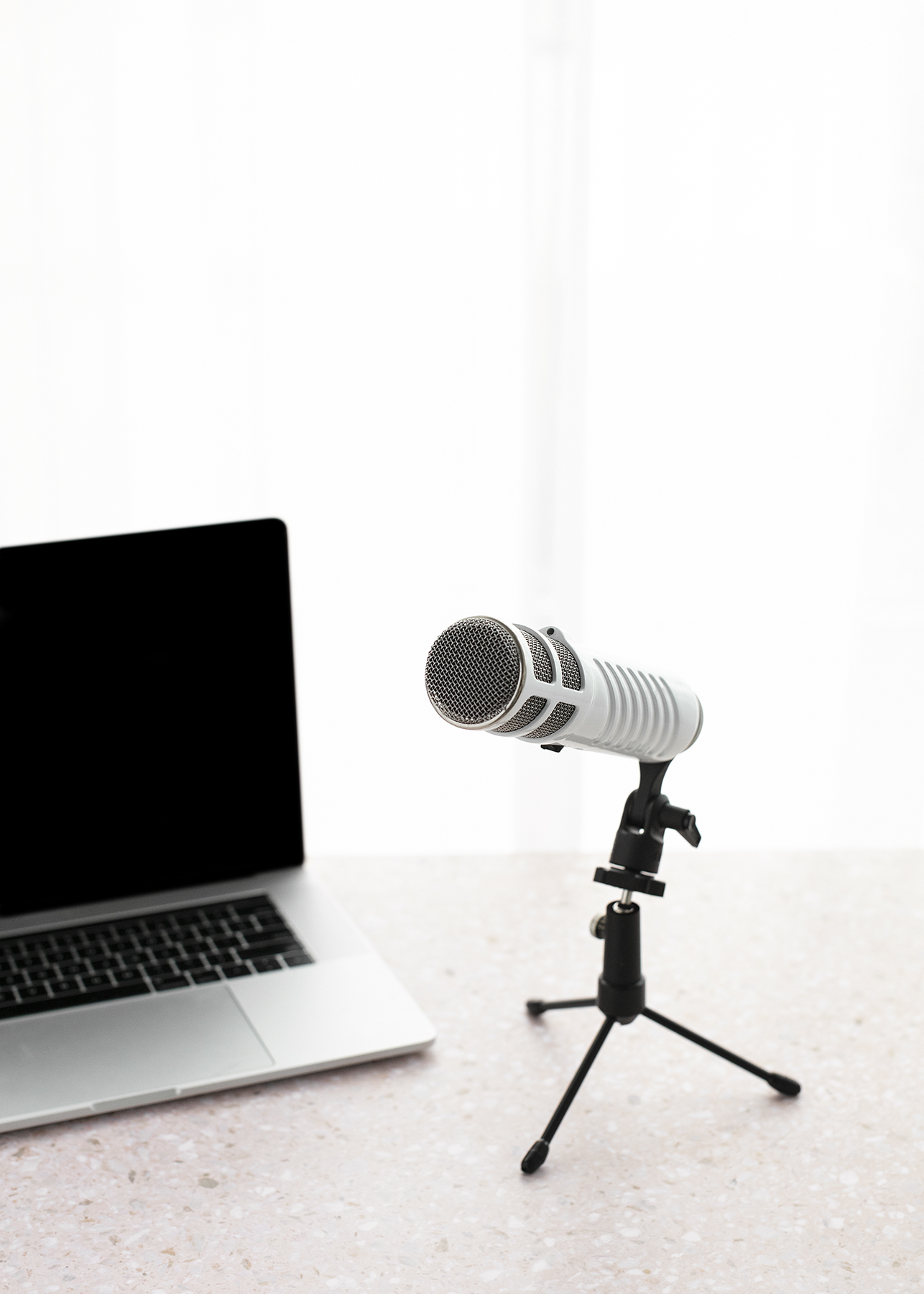








Flute players spend hours a day in a practice room listening to themselves in a confined space. And, it’s difficult to know what you sound like to outside ears. Is your sound projecting? Are you making enough of a diminuendo? One way to assess your playing from an outside perspective is to use a recording device. In today’s tech era, there’s no reason not to record yourself. Phones, tablets, and computers all come with microphones, and some can pick up instruments quite well.
Let’s dive in. If you’re not recording your practice session, here are 3 reasons why you should start today.
1. Unbiased Feedback
A recording device provides unbiased feedback. We often think that we sound one way, according to our own ears. We may think that we’re making a really nice diminuendo or that our double-tonguing is clear and even, but a recording device can reveal that our diminuendo is going flat or that our double-tonguing syllables are uneven. The recording device will highlight any deficiencies in our playing.
2. Real-World Performance Situation Simulation
For some reason, when we hit that record button, our body elicits the same fight or flight response as in a real live performance. If you’re preparing for auditions or a recital, recording, especially with video, can provide a way to practice dealing with performance nerves.
3. Growth Tracking
If you’re struggling with a musical concept in your flute repertoire or want to get a baseline of where you’re at with a piece, a recording can help track progress. You can set daily or weekly recording goals. Or, if you’re feeling particularly bold, you can start the #100daysofpractice challenge created by violinist Hillary Hahn.
Let today be the day you take your flute playing to the next level, and start using a recording device. No matter where you are on your flute journey, recording practice sessions will make you a better player.
Happy Practicing!
Sarah
+ view the comments
Paragraph
for when you're ready—
🎯 1. 60-Minute Strategy Session
Big performance, audition, or jury on the horizon? In this one-off intensive, we audit your current practice, map out a data-driven plan, and troubleshoot the spots that keep falling apart under pressure—so you walk away with a clear roadmap, not more question marks. Book your Strategy Session →
🔥 2. Practice Strategy Intensives
Ever wonder why your practice works… until it doesn’t? Inside Practice Strategy Intensives, we audit your current practice, map out a data-driven plan, and troubleshoot the spots that keep falling apart under pressure—so you walk away with a clear, sustainable roadmap that holds up under performance pressure. Learn more about Practice Strategy Intensives →
📚 3. The Practice Code for Musicians
Want a complete practice system instead of piecing tips together from Instagram? My signature course blends strategy, mindset, and artistry to show you exactly how to practice for confident, consistent performances—on stage, in the studio, and at the stand. Join the waitlist here →
✉️ 4. Stay in the loop (and in the practice room).
Not ready for a full commitment yet? Get weekly practice tips, mindset tools, and behind-the-scenes stories straight to your inbox—plus first dibs on new offers. Join the newsletter →
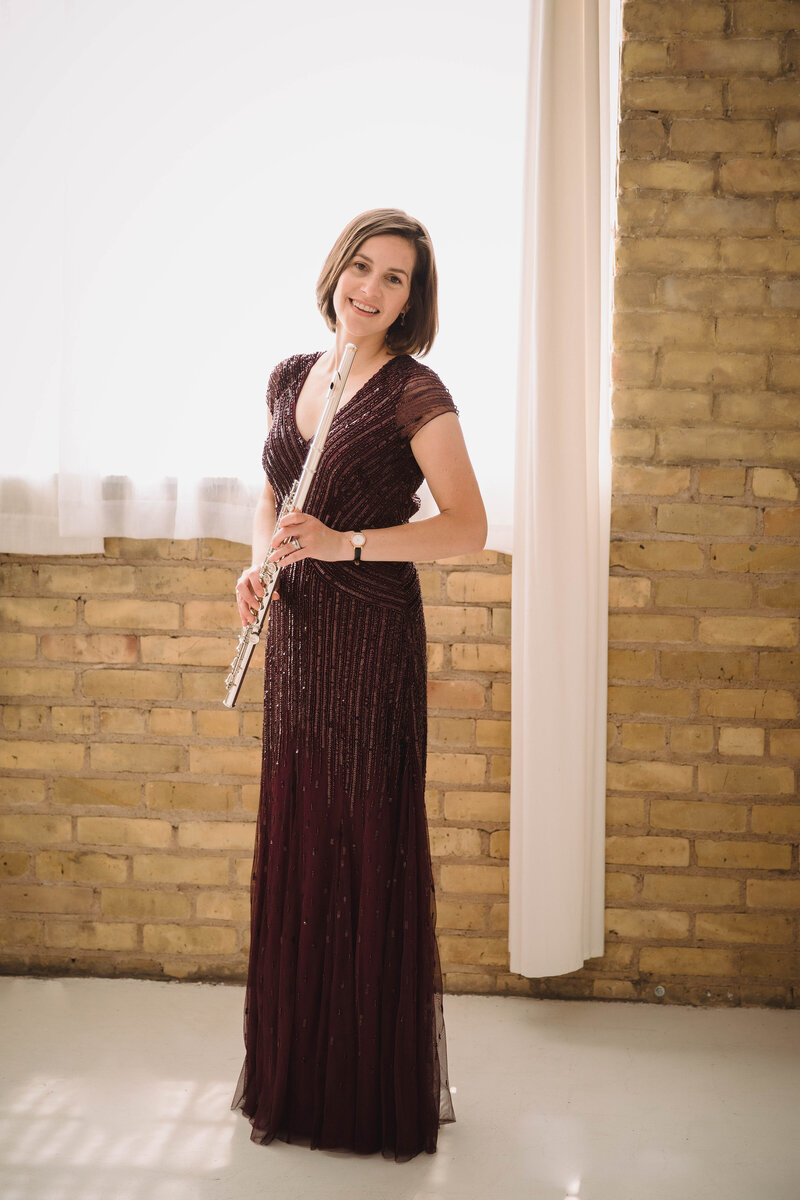
You deserve to have a musical toolkit that allows you to thrive. I combine my expertise as a professional flutist and software developer to give you a methodical, science-backed approach to learning even the most difficult music efficiently and effectively.
I combine it with elements of the Alexander Technique and the art of musical storytelling and interpretation to help you eliminate anxiety and perform effortlessly and with ease. Your playing matters—you have something to say, and I'm here to help you say it.

featured
Why do difficult passages sometimes fall apart in performance, even after hours of practice? In this article, you’ll learn why mindless repetition isn’t enough—and how practicing from multiple angles can help build passages that remain reliable under pressure.


GETthe COMPLETE STEP-BY-STEP GUIDE to FLUTE VIBRATO
If you're ready to achieve a natural-sounding vibrato, this is the guide for you—featuring a 5-step tutorial walking you through learning flute vibrato from scratch.
Inside you'll learn:
- How find the reaction in your sound.
- How vibrato is produced in the body.
- Why you need a flexible vibrato.
- What types of vibrato to use in your repertoire.
- How to practice vibrato.
YES, I'll TAKE THAT DOWNLOAD
hot off the digital shelf
GETthe COMPLETE STEP-BY-STEP GUIDE to FLUTE VIBRATO
MORE TO EXPLORE
Tired of guessing what to practice, white-knuckling your way through performances, or wrestling with your tech?
Let’s fix what’s not working—so you can get back to playing, teaching, and creating with confidence.
learn about flute lessons
explore coaching options
get help with your tech stack
© Sarah Weisbrod 2026. All rights reserved.
Legal | Site Credit | Photography by AMG Photography
